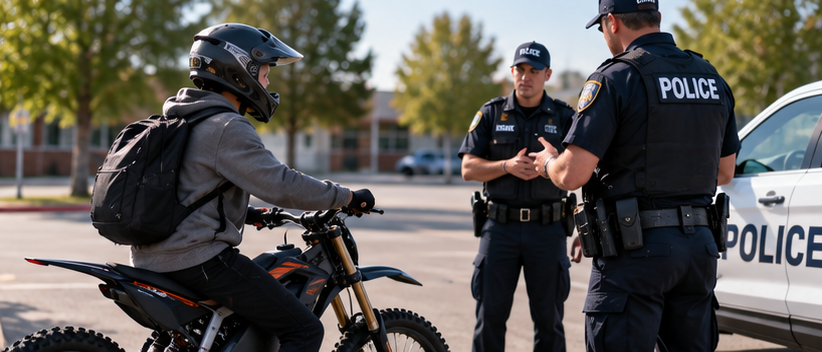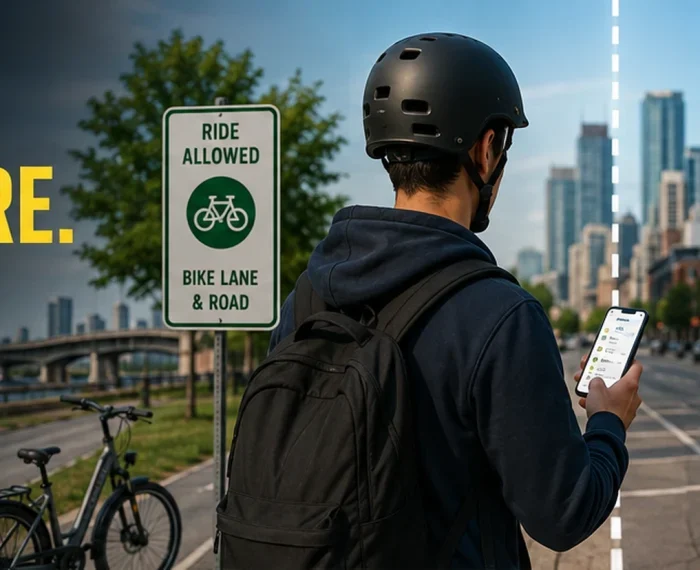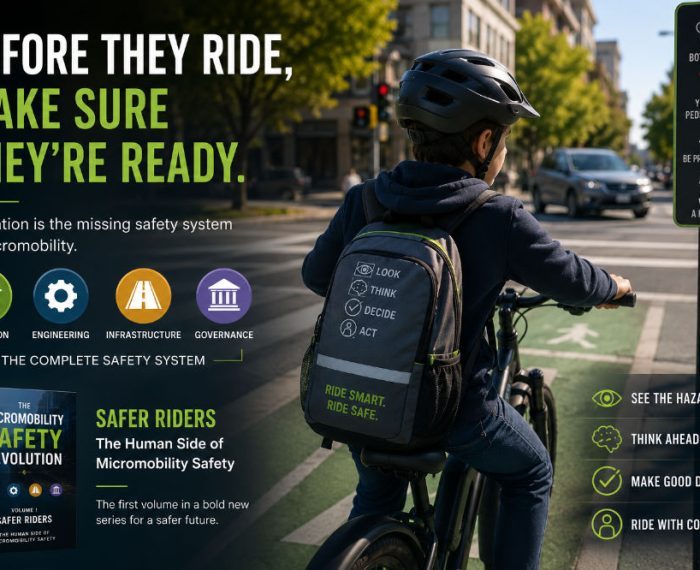

Two electric two-wheelers can look remarkably similar. One is a legally compliant e-bike suitable for permitted cycling routes. The other is a high-powered electric dirt bike that may not be allowed on public streets at all.
The distinction is more than technical. It determines who can ride, where a vehicle belongs, what protective equipment is required and whether licensing or insurance rules apply.
For parents, misunderstanding that distinction can turn an exciting purchase into an unsafe or unlawful ride. For municipalities, inconsistent classifications complicate education, enforcement and injury prevention.
Recent developments in Canada and California illustrate why clearer definitions matter.